
Why People Are Talking About It
For generations, home cooks have kept baking soda and lemon on hand for all kinds of everyday kitchen routines. More recently, people online have started sharing how they've folded a small version of this habit into their mornings — alongside things that actually move the needle, like eating balanced meals, drinking enough water, and staying active.
It isn't a shortcut and it isn't a substitute for those basics. But as a simple, low-effort habit to pair with a healthier routine, it's easy to see why it's caught on. Scroll through enough comment sections and you'll notice a pattern: people aren't claiming it changed their life overnight. They're describing something smaller — a two-minute ritual that gives their morning a sense of structure before the rest of the day gets busy.
That's really the appeal. Not a miracle, not a shortcut — just one more small, repeatable thing added to a morning that already includes water, breakfast, and (for a lot of people) a walk or a workout. Habits that are easy to repeat tend to stick around longer than habits that require a lot of willpower, and that seems to be a big part of why this particular one keeps coming up.
Where This Habit Actually Comes From
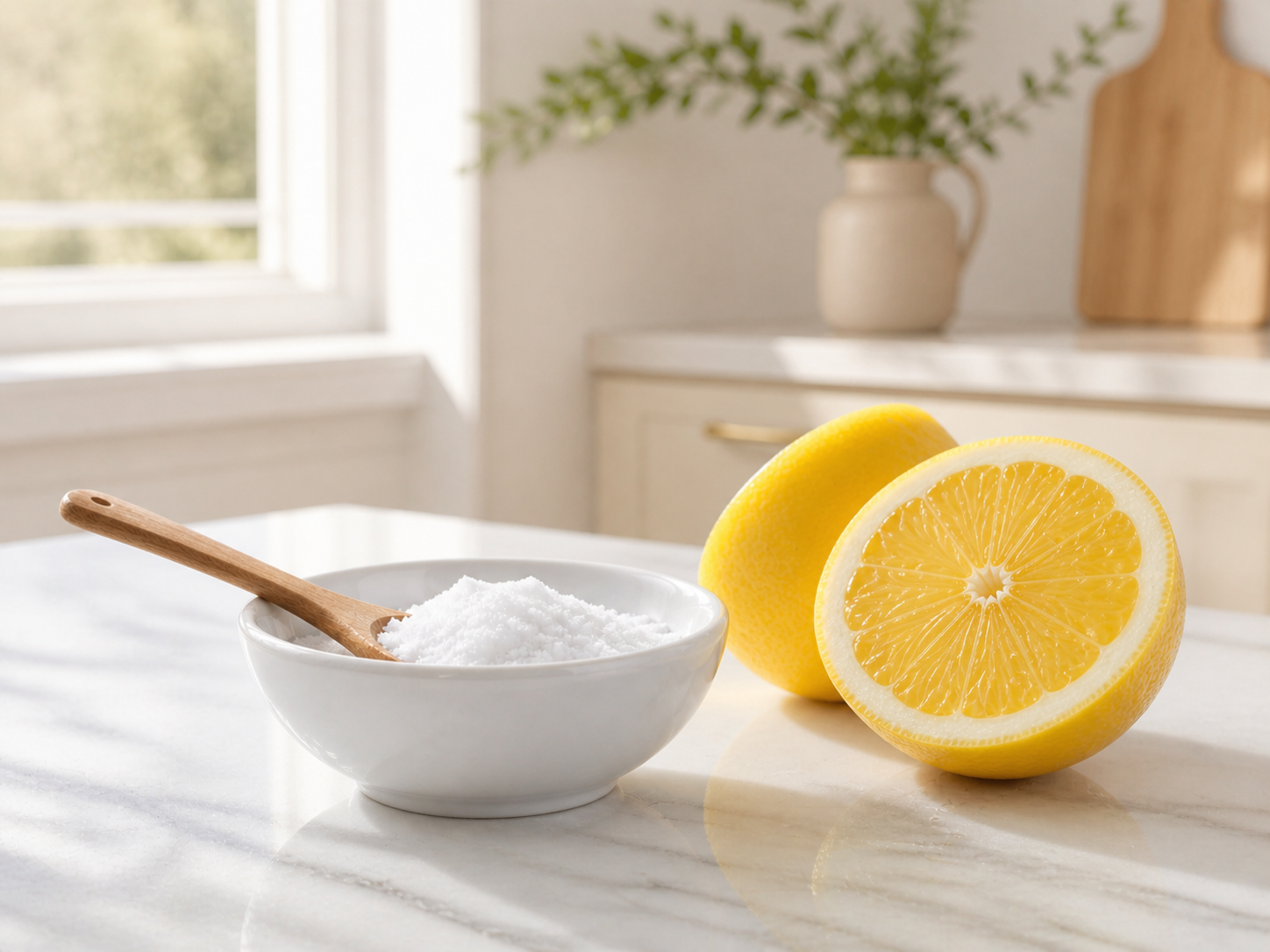
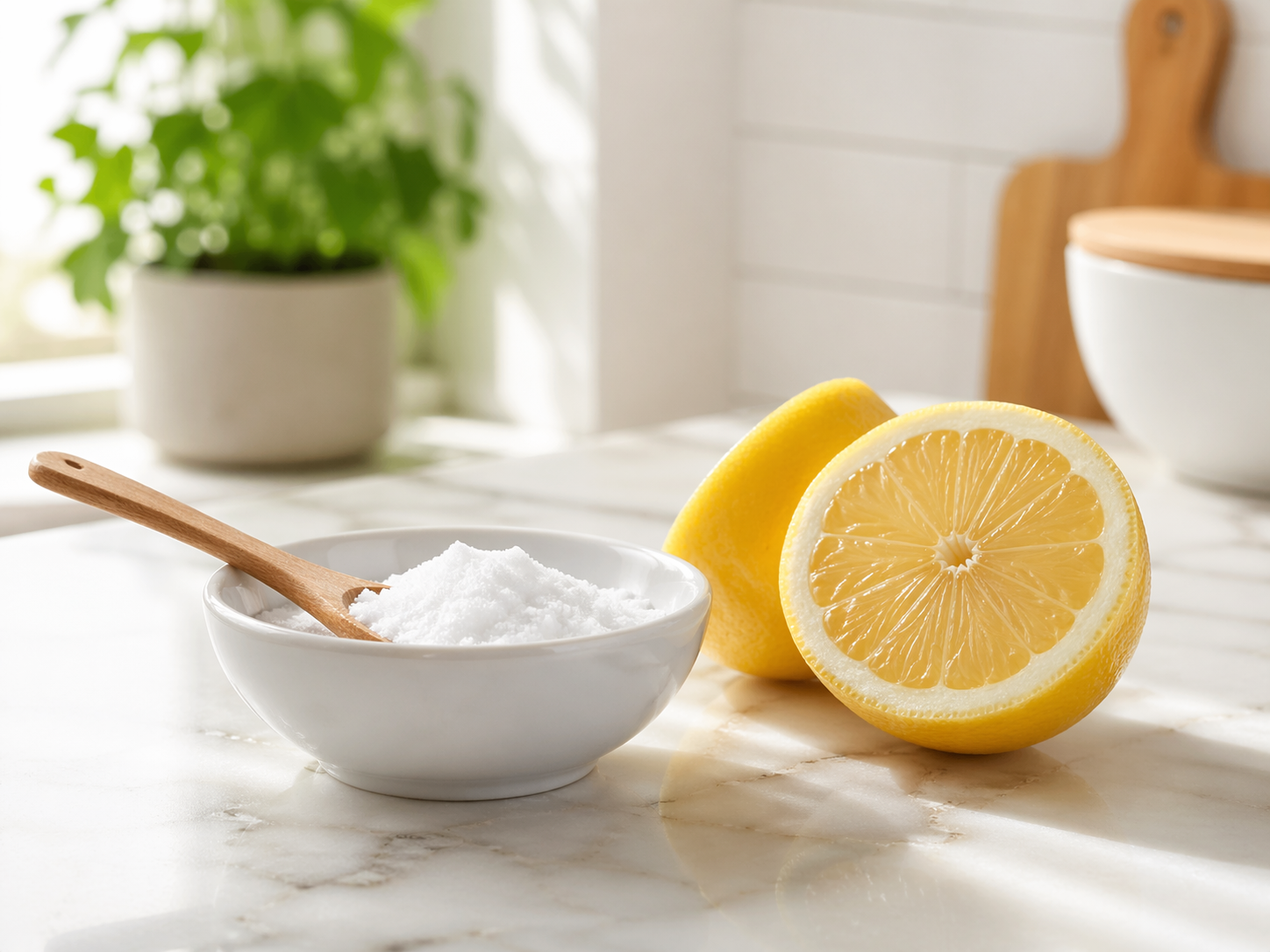
Baking soda — sodium bicarbonate — has been a kitchen and household staple for well over a century, long before it became a wellness talking point. It shows up in baking, in cleaning routines, and in plenty of old home traditions passed down between generations. Lemon has a similarly long history in kitchens everywhere, prized mostly for its acidity and flavor.
Pairing the two together in a small morning ritual isn't a new invention dreamed up by a marketing team — it's closer to an old-fashioned habit that's resurfaced online, the way a lot of "grandma's kitchen" routines do. What's changed is that people now have a place to compare notes about it, swap their own versions of the ritual, and talk about how it fits (or doesn't fit) into a modern routine that also includes things like meal tracking apps, step counters, and structured workouts.
"It's less about the ingredients and more about having one small thing you actually do every single morning, no matter what."
What's Really In The Bowl
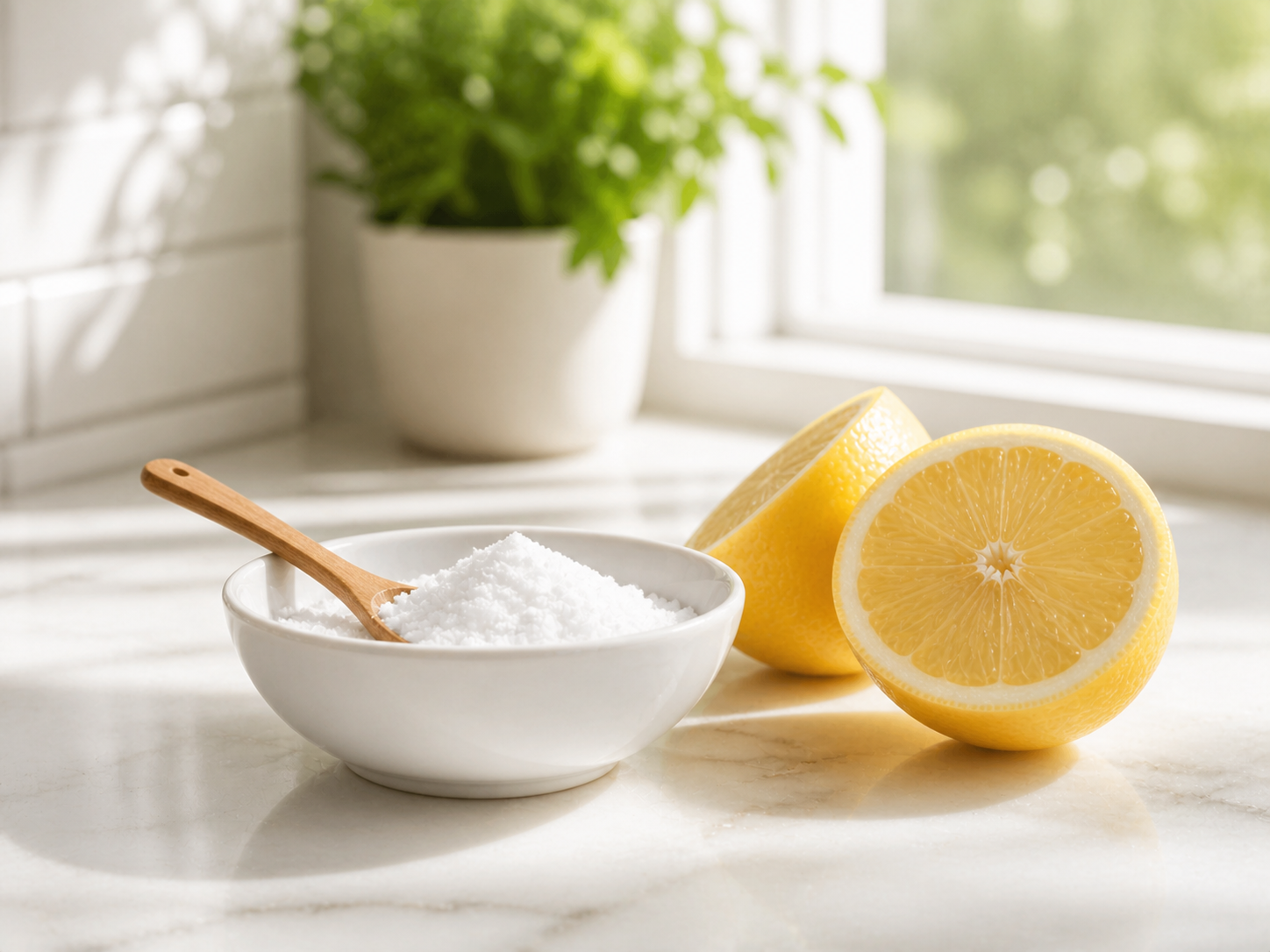
There's nothing exotic or hard to find here. Baking soda and lemon are two of the most common items in an average kitchen — which is a big part of why this habit spread the way it did. No specialty store, no imported ingredient, no waiting for a delivery. Just two things most people already have within arm's reach.

A simple pantry combination
Nothing here is complicated or hard to find. The interest seems to come from how easy it is to work into a routine that already includes the basics — not from any single ingredient doing something dramatic on its own.
It's worth being clear-eyed about this: no single pantry ingredient, on its own, replaces the fundamentals. Nothing here is positioned as a substitute for a balanced diet, regular movement, proper hydration, or sleep — and nothing about it should be read as a medical claim. It's simply a habit some people layer on top of the basics they're already trying to stay consistent with.
What People Are Pairing It With
When people describe how this fits into their day, it's almost never mentioned on its own. It tends to show up alongside a short list of habits that come up again and again:
- 1 A consistent morning routine. Most people who mention this habit do it at the same time each day, alongside their regular breakfast — not instead of it. The consistency of "same time, same place" seems to matter more than the ritual itself.
- 2 Basic pantry ingredients. Nothing exotic or expensive — just baking soda and lemon, things most kitchens already have. Low cost and low effort make it easy to keep going on busy days, which is often where other routines fall apart.
- 3 Everyday habits that already matter. Water intake, sleep, movement, and balanced meals keep coming up as the real foundation — this is something people add on top, not a replacement for any of it.
- 4 Tracking progress in some way. Whether it's a notes app, a calendar, or a simple habit tracker, a lot of people say that writing things down — even loosely — helps them notice patterns in their own routine over time.
- 5 Realistic expectations. The people who stick with any small habit the longest tend to be the ones who went in without expecting an overnight transformation.
Mistakes People Tend To Make
Because this habit is so simple, it's easy to assume there isn't much room for error — but a few patterns come up often enough that they're worth mentioning:
- Treating it as a stand-in for the basics. Skipping meals, water, or sleep and expecting one small habit to make up the difference is a recipe for frustration, not progress.
- Expecting a specific, guaranteed outcome. Individual experiences vary widely, and nothing here is a promise of any particular result.
- Overdoing it. More isn't automatically better with any pantry ingredient. Moderation and consistency matter far more than quantity.
- Ignoring how their body responds. Paying attention to how you personally feel matters more than following someone else's routine to the letter.
- Giving up after a few days. Most habits — this one included — take weeks of repetition before they start to feel automatic.
Who Should Be Extra Careful
Anyone who is pregnant, nursing, managing a medical condition, or taking medication should talk to a healthcare provider before adding any new habit to their routine — including this one. The same goes for anyone on a sodium-restricted diet, since baking soda contains sodium. When in doubt, ask a doctor first.
The Bigger Picture On Habits
Zoom out, and this whole conversation is really about something bigger than baking soda and lemon: the idea that small, repeatable habits — done consistently — tend to matter more than occasional, dramatic changes. Behavioral researchers have written about this for years under different names — habit stacking, minimum viable habits, "don't miss twice" — but the underlying idea is the same. A tiny habit you actually do every day beats an ambitious plan you abandon after a week.
That's arguably the real reason this particular ritual has stuck around online. It's not that baking soda and lemon are magic. It's that a two-minute morning habit is easy enough to repeat that people actually keep doing it — and consistency, not intensity, is usually what separates a routine that lasts from one that fizzles out by February.
If you're looking for a slightly more structured way to think through your own routine — what to prioritize, what to pair together, and how to build something that actually fits your schedule — that's exactly what the short questionnaire below is designed to help with.
Referenced In This Article
Part of what prompted us to put this article together was a membership program that keeps coming up in the same conversations — a recipe and coaching club built around everyday, home-cooked meals rather than a strict diet plan. We're mentioning it here for context, not as a promise of any outcome.
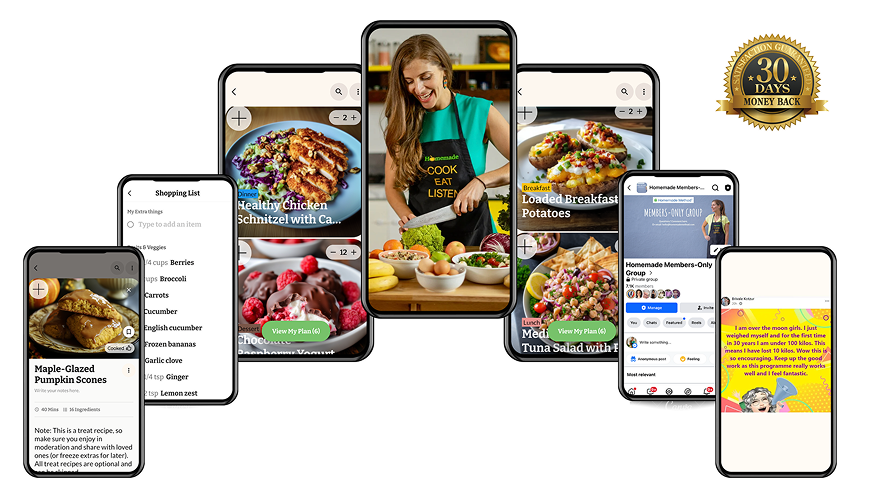
Homemade Method
$297/ year, billed annually
A membership built around weekly home-cooked recipes, meal plans, and coaching access — aimed at helping people build a more sustainable everyday eating routine rather than follow a strict diet. It's a program, not a promise — pair it with guidance from a healthcare provider and the basics that already matter most: balanced meals, water, sleep, and movement.
Answer a few quick questions first — takes about 60 seconds.
See how this could fit into your own routine.
Common Questions People Ask
Is this a replacement for diet or exercise?
No. It's described by the people who use it as something added on top of a balanced diet, regular movement, and good sleep — never as a substitute for any of those.
Is there an ideal time of day for this?
Most people who talk about this habit describe doing it in the morning, as part of a consistent routine — but there's no single "correct" time, and individual routines vary.
How long before someone might notice anything?
There's no fixed timeline, and outcomes are individual. Most habits in general take weeks of consistency before they feel established, and this is no exception.
Does this work for everyone?
No single habit works identically for everyone. Bodies, routines, and starting points differ, which is exactly why a short questionnaire — like the one linked on this page — can help point someone toward information that's more relevant to their own situation.
Is this a medical treatment?
No. Nothing on this page is medical advice, and nothing here is intended to diagnose, treat, cure, or prevent any disease. Always check with a healthcare provider about your specific situation.
Free, takes about 60 seconds, no purchase necessary.